

Most major coastal sightseeing operators require passengers to complete boarding 15 to 30 minutes before the published departure time. For families managing toddlers and gear, arriving 45 minutes ahead leaves time for ticket verification lines, restroom stops, and the walk from terminal parking to the gangway. Pedestrian harbor transit runs on a tighter clock than vehicle ferries. The narration track starts at the dock, not when the last family settles into a seat. A missed cutoff means standing on the pier while the boat pulls away with your tickets scanned but your stroller still in the trunk. Getting this sequence right is the difference between watching the skyline from the rail and watching it from the parking lot. See also: buffer times for car ferry boarding.
Contents
- How early must families arrive for a sightseeing cruise boarding window?
- Which sightseeing cruise operators allow double strollers on board?
- Where is the best deck area for families with toddlers on a sightseeing boat?
- How do tide times and weather affect sightseeing cruise boarding?
- Step-by-step boarding workflow for families with strollers and toddlers
- Sightseeing cruise logistics compared: Boston, New York, San Francisco, Seattle
Key takeaways
- Use this checklist to determine whether a specific sailing time works for a family group:.
- Stroller policies depend strictly on vessel class.
- Lower enclosed decks offer climate control, nearby restrooms, and escape routes for crying children during fixed narration schedules.
- Extreme low tides steepen gangway angles, making it physically difficult to carry a folded double stroller or manage a walking toddler safely.
- A successful boarding sequence starts with folding the stroller in the terminal waiting area, keeping tickets accessible, using restrooms before the final call, and positioning your group at the front of the pedestrian queue rather than rushing the gangway at the last minute.
How early must families arrive for a sightseeing cruise boarding window?
Use this checklist to determine whether a specific sailing time works for a family group:
- Verify the operator cutoff policy. Sightseeing vessels operated by companies like City Cruises or Circle Line typically close the gangway 15 to 30 minutes before departure. Confirm the exact window on the booking receipt rather than assuming standard ferry rules apply.
- Calculate the terminal walking distance. At piers such as Boston Long Wharf, New York Pier 62 or 83, San Francisco Pier 39, and Seattle Pier 55, the distance from public drop-off zones to the boarding ramp varies. A five-minute walk on a map often takes fifteen minutes with a double stroller, a diaper bag, and a toddler refusing to hold hands.
- Locate the nearest restrooms before approaching the gate. Harbor bathrooms are frequently located outside the secure boarding area. Once a family passes through the ticket checkpoint, returning to the restroom may require leaving the queue entirely and starting over.
- Prepare identification documents in advance. While domestic sightseeing cruises rarely demand passports, larger port operations enforce strict document checks. At the Port of San Diego, cruise passengers are advised not to arrive before 10 a.m. and should arrive exactly at their assigned boarding time. Guests entering those terminals must present picture ID, a ship boarding document, and a passport or birth certificate to complete check-in. Passengers requiring mobility assistance at the Port of San Diego must contact their cruise line and arrange for help before leaving home. These rules show how quickly a casual boarding process becomes rigid when documentation is involved.
- Account for weather-related delays in transit. Coastal mornings bring fog, drizzle, and slick pavement. Wet conditions slow down every step from the car to the gangway. Just as the U.S. Environmental Protection Agency advises homeowners to fix wet or damp spots promptly to prevent mold growth, families need to deal with damp gear and slippery shoes as soon as they arrive so boarding does not stall at the ramp.
The cost of missing a boarding cutoff varies by operator. Many city cruises classify a missed departure as a no-show, meaning the original ticket holds no value for the next available sailing. Some companies offer standby boarding on a later departure, but standby access depends entirely on remaining capacity. During peak summer weekends, later sailings are often fully booked hours in advance.
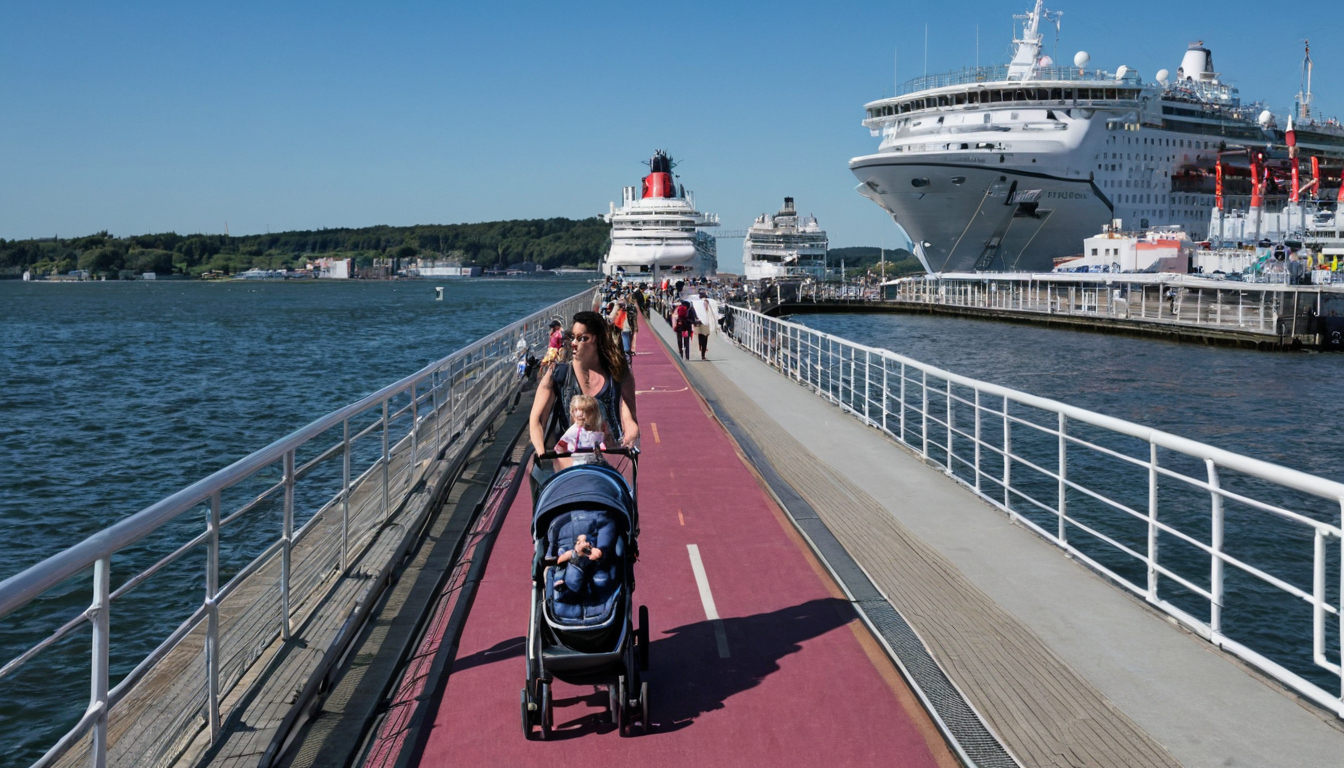
How early must families arrive for a sightseeing cruise boarding window.
Rebooking fees apply when an operator does allow a transfer to a later time slot. Families should expect to pay a modification charge per ticket, plus any fare difference if the new sailing falls during a higher-priced window. Calling customer service from the pier while managing a frustrated toddler rarely results in waived fees. The most reliable approach is to treat the published cutoff as an absolute deadline rather than a suggestion.
Parents accustomed to vehicle loading procedures might assume pedestrian boarding offers more flexibility. But the constraints differ significantly. Understanding the buffer times for car ferry boarding helps explain why pedestrian sightseeing vessels demand even stricter timing: cars can be waved onto a ramp quickly, but foot passengers carrying collapsible strollers must be processed individually through a narrow gangway.
Map pins for major operators often default to the company billing address. In New York, a search might point toward a Midtown office instead of the Chelsea Piers complex or Pier 83. In San Francisco, the pin could land on Fisherman’s Wharf generally, even though the actual gangway sits at a specific numbered pier several blocks away from the main tourist intersection. Boston searches sometimes direct traffic to the aquarium entrance rather than the exact Long Wharf docking slip used for harbor tours.
Families should find the exact pier number and cross-street in the confirmation email received after purchasing tickets. Typing the specific pier address into the navigation system, rather than relying on the operator brand name alone, prevents the final quarter-mile scramble. Arriving at the right pier on time is only part of the job. Next comes getting a wide double stroller through a narrow gangway door designed for single-file pedestrian traffic. Which sightseeing cruise operators allow double strollers on board?
Which sightseeing cruise operators allow double strollers on board?
Stroller policies depend strictly on vessel class. Many older harbor sightseeing boats require folding strollers before crossing the gangway because of narrow doors, while newer ADA-compliant catamarans may permit rolling them into designated interior storage areas. Double strollers face tighter restrictions than single umbrella models across all operators.
Harbor sightseeing fleets run a mix of older monohulls and modern multi-hull vessels. The older boats were built for maximum passenger capacity, not pedestrian flow with wheeled gear. A side-by-side double stroller typically measures 30 to 34 inches wide. That width exceeds the cabin door clearance on many traditional sightseeing vessels, forcing crew members to ask parents to collapse the frame before stepping over the coaming. Newer catamarans operated by major city cruise companies often have wider main-deck doors and flat thresholds, allowing staff to direct families toward an interior holding area rather than demanding a full fold at the dock.
Crew members at the gangway make the final call based on the specific boat assigned to that sailing. Operators rarely guarantee a particular vessel class when selling tickets, so a family planning for a wide-door catamaran might board a narrower monohull if maintenance required a ship swap that morning. Parents booking a circle line sightseeing cruise or similar narrated harbor loop should call the dispatch office on the day of travel to confirm which boat is loading. The exact boat determines whether the double stroller rolls aboard or gets folded and carried like heavy luggage.
Federal accessibility guidelines shape how these boarding surfaces function. The 2010 ADA Standards for Accessible Design set accessible dining and work surfaces at 28 to 34 inches above the finish floor or ground. Sightseeing operators apply this same height range to interior tables and snack counters on their vessels. Because the onboard furniture matches those dimensions, a double stroller handlebar sitting at 40 inches or higher cannot slide beneath the tables for out-of-the-way parking. The stroller ends up blocking the central aisle unless the boat has a dedicated bulkhead space designed for wheeled storage.
Parents measuring their gear should check the stroller width at the widest point, including cup holders or side bags. Crew members measure the same way. If the stroller exceeds the gangway clearance or the cabin door threshold, folding becomes mandatory. This physical limit overrides any general welcome message printed on the ticket confirmation.
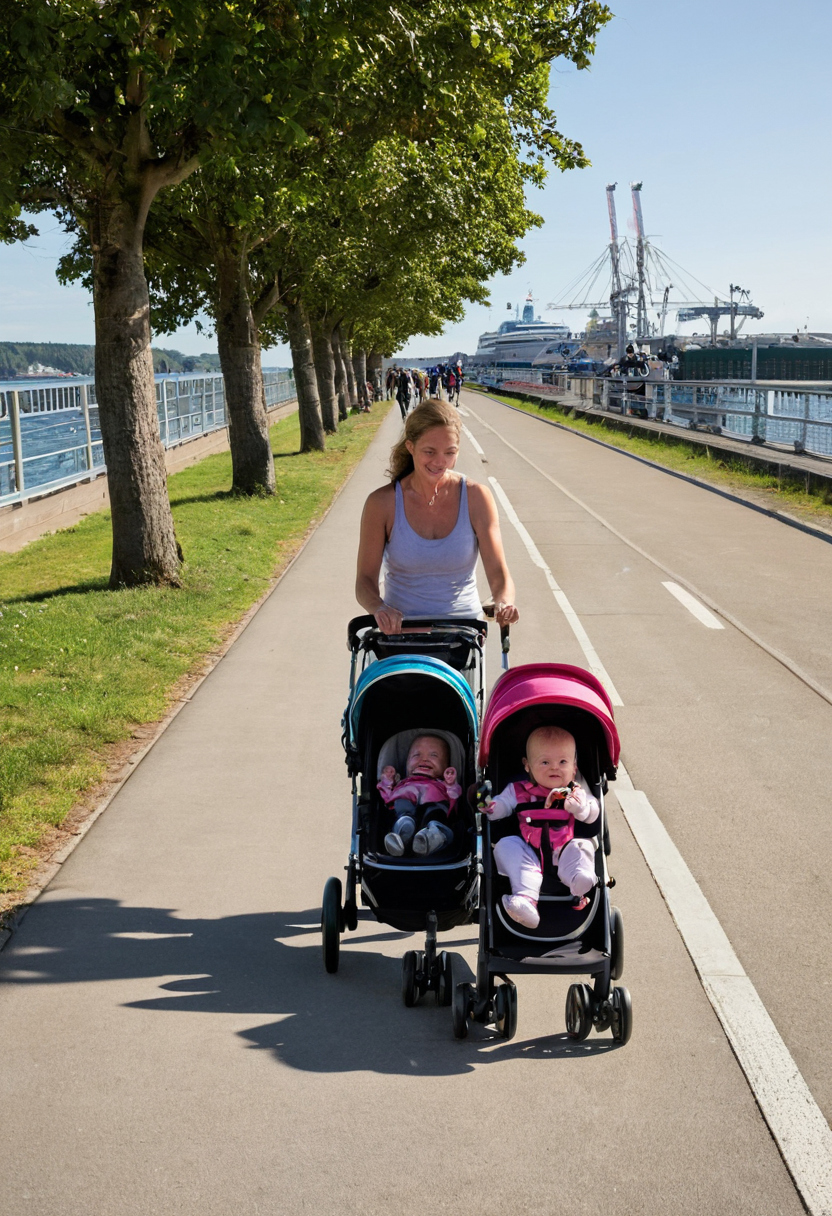
Which sightseeing cruise operators allow double strollers on board.
Stroller choice directly affects boarding time. Families hauling jogging strollers frequently delay departure because collapsing the frame takes longer than the crew can pause the boarding line. Umbrella strollers eliminate this bottleneck. For nearby sightseeing trips where the walk from the hotel to the terminal involves paved sidewalks, the smaller wheels of an umbrella stroller handle the route adequately. Save the jogging stroller for park trails and leave it in the hotel room on sailing days.
- Umbrella strollers: Fold in seconds, fit through 24-inch cabin doors, weigh under 15 pounds.
- Double umbrella models: Wider than singles but still collapse flatter than side-by-side joggers.
- Jogging strollers: Fixed wheels prevent tight turns on crowded decks; folded dimensions often exceed storage bins.
Choosing the right stroller solves the boarding problem, but getting the gear past the gangway is only part of the logistics. Once the family crosses the threshold and finds a spot for the folded frame, the next decision is where the children can sit without blocking foot traffic or missing the narration. Where is the best deck area for families with toddlers on a sightseeing boat?
Where is the best deck area for families with toddlers on a sightseeing boat?
Lower enclosed decks offer climate control, nearby restrooms, and escape routes for crying children during fixed narration schedules. Upper open-air observation decks provide better views but expose toddlers to wind, lack physical barriers suitable for climbing children, and place families far from changing facilities.
Sightseeing vessels running harbor loops prioritize passenger capacity over family zones. The main cabin on the lower deck typically houses the restrooms, snack counter, and bench seating protected from spray. A parent managing a toddler needs these close by. Fixed audio narration or live guide commentary runs on a schedule that cannot pause when a child becomes restless. Moving from an upper deck down narrow exterior stairs with a squirming twenty-five-pound child takes time most itineraries do not allow. Staying on the lower deck means the restroom door is steps away rather than a full flight of stairs below.
Upper observation decks attract photographers and adults traveling without young children. Railing heights on these pedestrian sightseeing boats meet standard maritime safety requirements, but a determined two-year-old can still wedge a shoe against the lower rail. Wind speeds on open water often exceed those at the departure dock. A breeze that feels pleasant while waiting in line becomes a steady gust once the vessel reaches cruising speed. Families who claim upper-deck seating frequently retreat inside within fifteen minutes of departure, losing their original spot on the crowded lower level.
A compromise for most city cruises is to claim a seat near the lower-deck windows or the rear boarding doors. These positions offer natural light and harbor views without the full exposure of the top deck. Rear doors also provide ventilation if the cabin air grows stale during a full sailing. When evaluating boat setup for toddlers, the distance between your seat and the nearest exit matters more than the quality of the view. A tired parent needs a short path to fresh air or a quiet corner.
Choosing the right deck space addresses only part of the logistics: the angle of the gangway also changes depending on the hour. How do tide times and weather affect sightseeing cruise boarding?
How do tide times and weather affect sightseeing cruise boarding?
Extreme low tides steepen gangway angles, making it physically difficult to carry a folded double stroller or manage a walking toddler safely. Heavy rain forces all passengers into enclosed lower decks, eliminating the space advantage of arriving early to claim an open-air table.
Tidal changes alter the slope of the boarding ramp at every coastal port. In harbors with large tidal ranges, such as Boston Harbor and San Francisco Bay, gangways shift from nearly flat at high tide to a steep incline at extreme low tide. A parent carrying a thirty-pound double stroller over one shoulder while holding a toddler by the hand faces a real balance problem on that slope. Sightseeing operators schedule departures around fixed narration routes rather than tidal windows, so families cannot simply wait for the water to rise. Checking the local tide chart before booking a specific sailing window tells you exactly how steep the walk down to the vessel will be at your departure time.
Rain policies differ between pedestrian harbor vessels and vehicle ferries. Unlike the buffer times for car ferry boarding, where vehicles remain dry inside the hull, sightseeing passengers stand exposed on the dock until the crew opens the gates. Most city cruises sail in steady rain unless visibility drops below safe navigation limits or the Coast Guard issues small craft advisories. Operators rarely cancel for weather alone; instead, they issue rain checks or allow rebooking for a later date when conditions deteriorate past operational thresholds. Calling the ticket office two hours before departure confirms whether the boat is sailing or the morning trip has been pushed back.
Terminal waiting areas provide the only dry ground before boarding begins. Pedestrian sightseeing piers often lack the large indoor concourses found at major vehicle ferry docks. Some terminals offer covered outdoor waiting areas, while others route passengers through a small ticket building with limited seating. Arriving too early means standing outside with wet gear; arriving too late means missing the cutoff. A backup plan requires knowing exactly where the covered area ends and the exposed dock begins.
- Gangway pitch: Check the tide chart for your exact sailing hour. Low tide means a steeper ramp, requiring both hands free for balance.
- Rain checks: Confirm the operator’s cancellation threshold. Light rain usually means the boat sails, but heavy fog or gale warnings trigger rebooking.
- Covered staging: Identify the terminal’s indoor or roofed waiting zone before leaving the hotel. Do not assume the dock has overhead shelter.
- Deck crowding: Expect everyone to move indoors during a shower. The enclosed lower deck fills fast, so early boarding matters more on gray days.
- Visibility delays: Harbor pilots halt departures when fog reduces visibility. Build a sixty-minute buffer after the cruise ends before scheduling the next activity.
Knowing the weather risks and tidal constraints is only part of the preparation. Getting from the terminal to a boat seat requires a precise sequence. Once you understand how weather and tides change boarding conditions, follow a step-by-step boarding routine for families with strollers and toddlers to get everyone settled before the engines start.
Step-by-step boarding workflow for families with strollers and toddlers
A successful boarding sequence starts with folding the stroller in the terminal waiting area, keeping tickets accessible, using restrooms before the final call, and positioning your group at the front of the pedestrian queue rather than rushing the gangway at the last minute.
Crew assistance varies by port and operator. Some terminals provide staff to help guests with mobility needs navigate steep ramps, but this service requires advance arrangement rather than a dockside request. Assuming a crew member will carry your gear risks delaying the entire boarding line. Once the family is seated and the stroller is secured, the next factor that changes the plan entirely is the specific port layout. Boston, New York, San Francisco, and Seattle each have different terminal distances, gangway angles, and crowd patterns that alter how this routine plays out dockside.
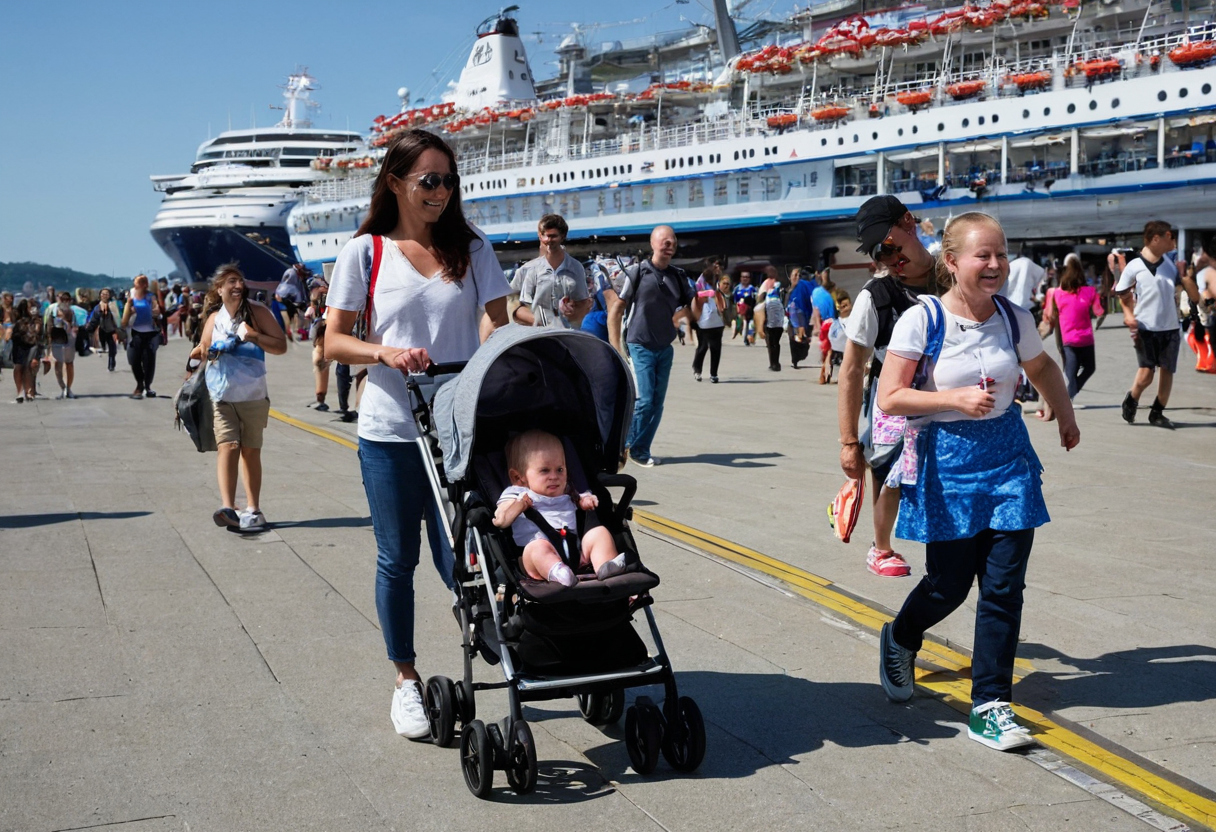
Step-by-step boarding workflow for families with strollers and toddlers.
Sightseeing cruise logistics compared: Boston, New York, San Francisco, Seattle
Each major coastal port operates under different terminal authorities with distinct parking costs, security screening requirements, and walking distances to the gangway. Families must plan their buffer time around the specific port infrastructure, not just the cruise operator’s general guidelines.
Pedestrian sightseeing terminals vary widely in layout. A harbor authority might manage multiple piers across a single downtown waterfront stretch, much like the Port of San Diego operates two cruise ship terminals on a two-mile stretch along its Embarcadero. Knowing which specific pier your city cruises vessel departs from prevents a long walk with a toddler in tow.
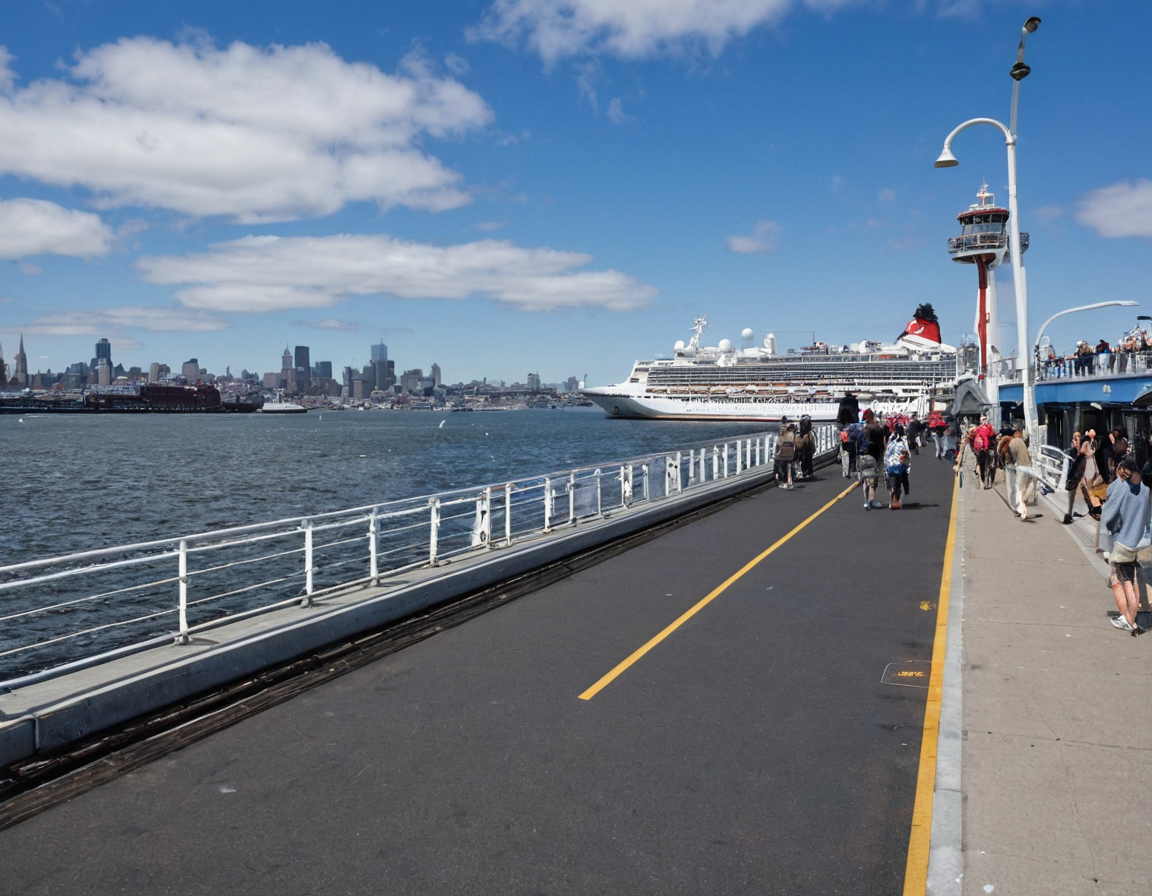
Sightseeing cruise logistics compared: Boston, New York, San Francisco, Seattle.
Choose your sailing date by matching the terminal layout to your family’s needs. Choose an enclosed waiting area if rain is likely, or pick a compact pier if your toddler tires easily during long walks. Confirm the exact departure pier on your ticket, arrive with enough extra time for that specific dock, and fold the stroller only when the crew directs you to the gangway.
For more on this topic, see other guides on this site.